|
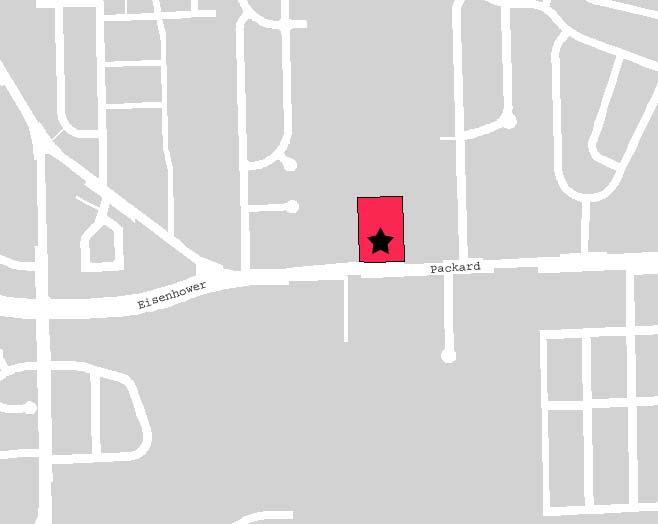
Cobblestone Farm Historic DistrictThis
farmhouse is an example of an unusual building style that began in the
1830s in western New York and moved westward with the frontier.Erected
in 1844 for Dr. Benajah Ticknor, the house was built by mason by Stephen
Mills and combines the restrained elegance of the Federal style and the
extravagant façade of herringbone-rowed cobblestones. An
original, smaller house on the site is probably located in the wing section
that today contains the dining room and maid’s chambers.Herman
Ticknor bought the small house and farm from Charles Maynard in 1835.Herman
had purchased the home for his brother, Navy surgeon Benajah Ticknor.After
years at sea of South America and in the Far East, Dr. Ticknor wanted land
in Michigan as in investment for a retirement house. In
1840, Benajah and his wife, Bessie, made their first visit to Ann Arbor.The
sight of his brother, sister-in-law, and seven nieces and nephews crowded
into a small dwelling may have prompted Dr. Ticknor to build the larger
stone house for both families. In
1860, Ticknor’s widow sold the house to Horace Booth, who passed it to
his son, Nelson.Nelson enlarged the 183 acres, added
barns for thoroughbred racehorses, installed a front-yard fountain, and
added an Italianate front porch. Ypsilanti
merchant William Campbell purchased the farm in 1881.A
Scottish immigrant, Campbell soon achieved renown for his purebred cattle.The
Campbell family kept the house essentially unchanged for 91 years.After
World War II, most of the farm’s acres were absorbed by housing developments
and parkland.In 1972, George and Mary Campbell sold
the house and the last 4.5 acres to the City of Ann Arbor to complete Buhr
Park.
|